
French Polynesia
Robert Wan
Born in Papeete in 1934, Robert Wan became internationally associated with the rise of the Tahitian cultured pearl and built interests spanning pearls, land, agriculture, aviation, media and strategic investments.
French Polynesia
Born in Papeete in 1934, Robert Wan became internationally associated with the rise of the Tahitian cultured pearl and built interests spanning pearls, land, agriculture, aviation, media and strategic investments.
Entrepreneur, pearl pioneer, investor, landowner
Born Wan Fui Yin in Papeete in 1934, Robert Wan became internationally associated with the rise of the Tahitian cultured pearl. Over decades, his interests expanded into private islands, land, property, agriculture, aviation, media and strategic corporate holdings.
Historical accounts have described Wan as the richest man in French Polynesia at the height of his pearl empire. His economic prominence predates modern internet wealth rankings and reflects a portfolio built largely through private companies, land and non-listed assets.
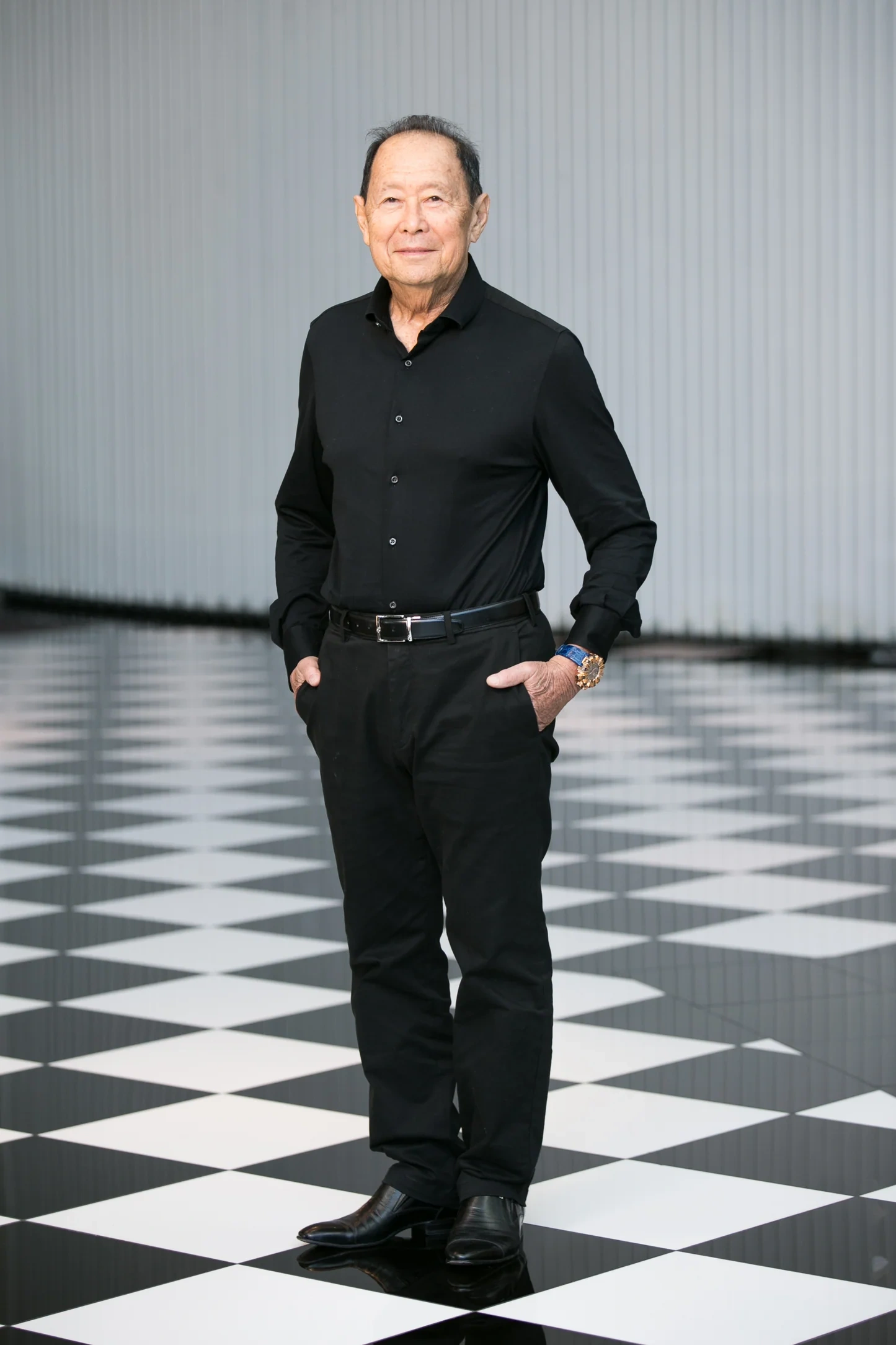
From cultivation to wholesale, jewellery and retail, the Robert Wan model became vertically integrated.
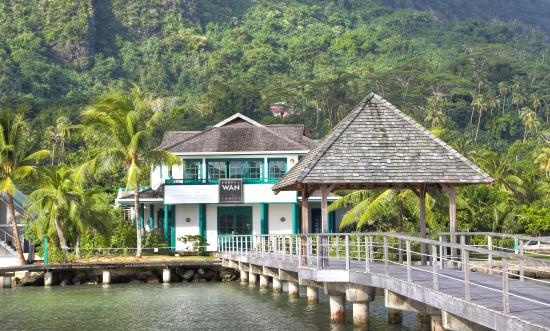
Robert Wan entered pearl farming in the 1970s. His official history records the purchase of his first pearl farm on Aukena and the later acquisition of Marutea Sud, which became one of the defining production sites of the business.
Robert Wan pearls have been associated with major international jewellery houses including Harry Winston, Tiffany & Co., Chaumet, Boucheron, Chanel and Mikimoto. The business spans cultivation, harvesting, grading, wholesale, jewellery and retail.
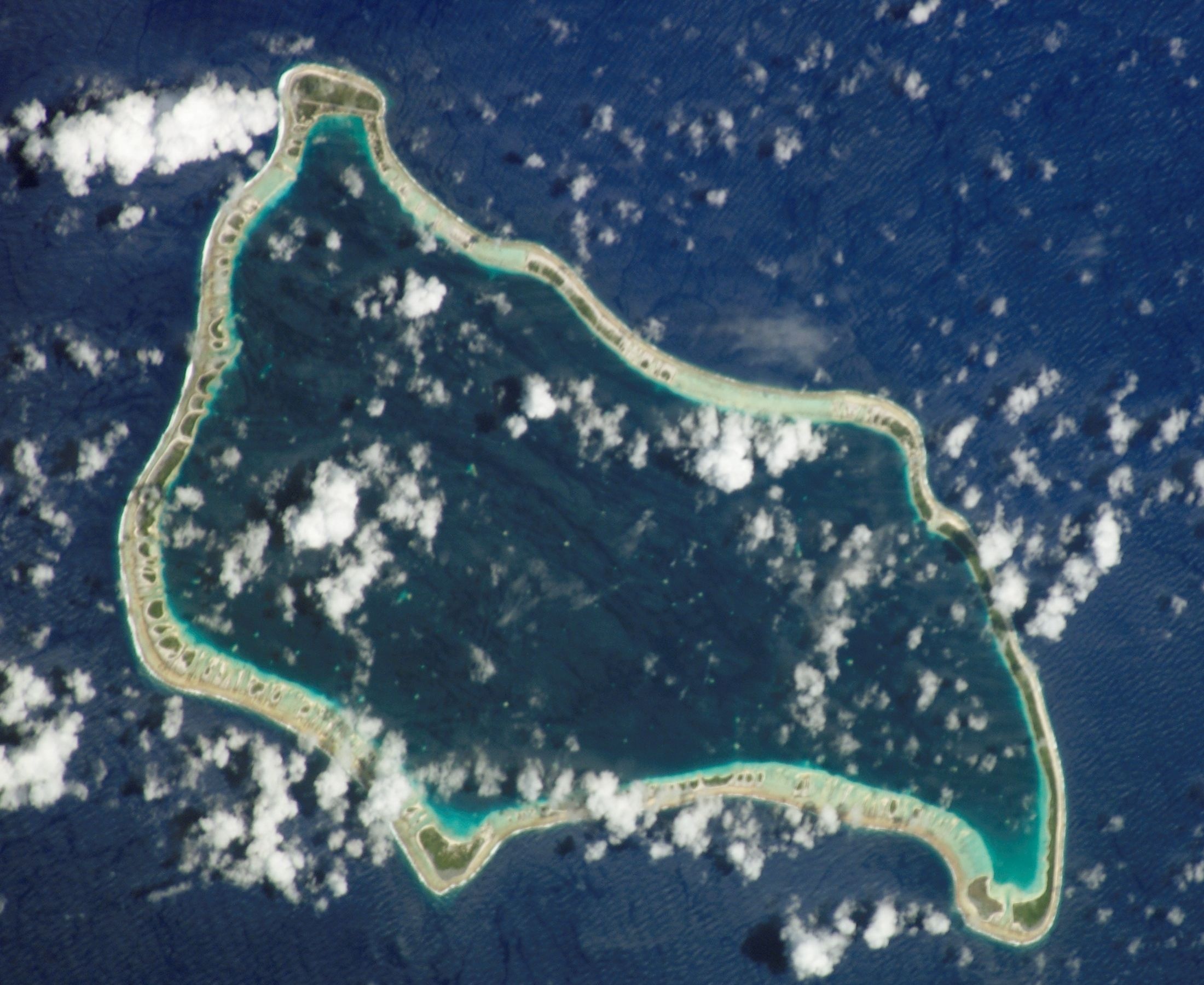
Real estate and land
Land and real estate are central to understanding the wider Wan patrimony. The portfolio has included commercial property connected to retail and operating companies, agricultural land, major Tahitian landholdings and private atoll property.
Pic Vert is among the significant Tahitian landholdings associated with the wider Wan patrimony. The broader property footprint also includes interests in Papeete and other parts of Tahiti, alongside land attached to operating businesses.
Agriculture and livestock
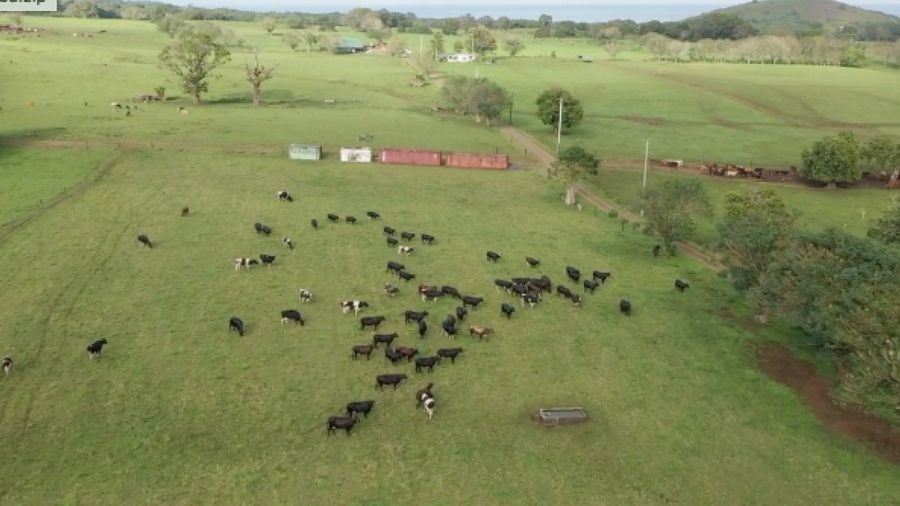
Agriculture forms another important branch of the wider business history. SCEA Polycultures on the Taravao plateau has been publicly associated with Bruno Wan and developed large-scale cattle, dairy and pasture operations.
Public reporting in 2019 described roughly 1,100 cattle, including around 300 dairy cows, with daily milk production of approximately 2,000 to 2,500 litres. The operation was described at the time as Tahiti's only remaining fresh-milk producer.
The group's reach extends into infrastructure and minority investments beyond its core pearl activity.
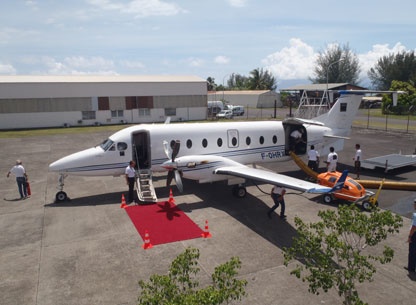
A French court decision states that Wan Air was initially created to transport employees of the Robert Wan group to remote pearl farms.
Tahiti Air Service & Conciergerie operates in business aviation at Tahiti-Faa'a and provides handling, crew, passenger and charter coordination services.
Wan Holding Participation has been publicly recorded as a shareholder, with 74,503 shares representing approximately 0.57% in recent company reporting.
Official 2025 capital records list Wan Holding Participations with 10,000 shares, approximately 3.64% of Tahiti Nui Télévision, while Robert Wan also held one share directly.
Estimated net worth
No comprehensive audited public valuation establishes Robert Wan's current personal net worth. An approximate estimate of €2.3 billion can be considered when looking at the broader value of private operating businesses, pearl interests, land, island property, real estate, agriculture, aviation and minority investments.
This is an estimate, not an audited financial statement or official declaration. Private and illiquid assets can differ materially from theoretical market values.
Robert Wan's importance is not limited to a wealth estimate. His career is closely tied to the international rise of the Tahitian cultured pearl and to the development of a diversified private business network connecting remote Polynesian islands with global luxury markets.
Pearls remain the public symbol of the name. The economic structure behind that symbol reaches much further: islands, property, agriculture, aviation, media and corporate holdings.
This page relies on public corporate records, government documents, company publications and media archives. Some private assets do not have a consolidated public valuation.